
LVP vs Hardwood Flooring: Which Is Right for Your New England Home?
· By Ismar A. Da Silva
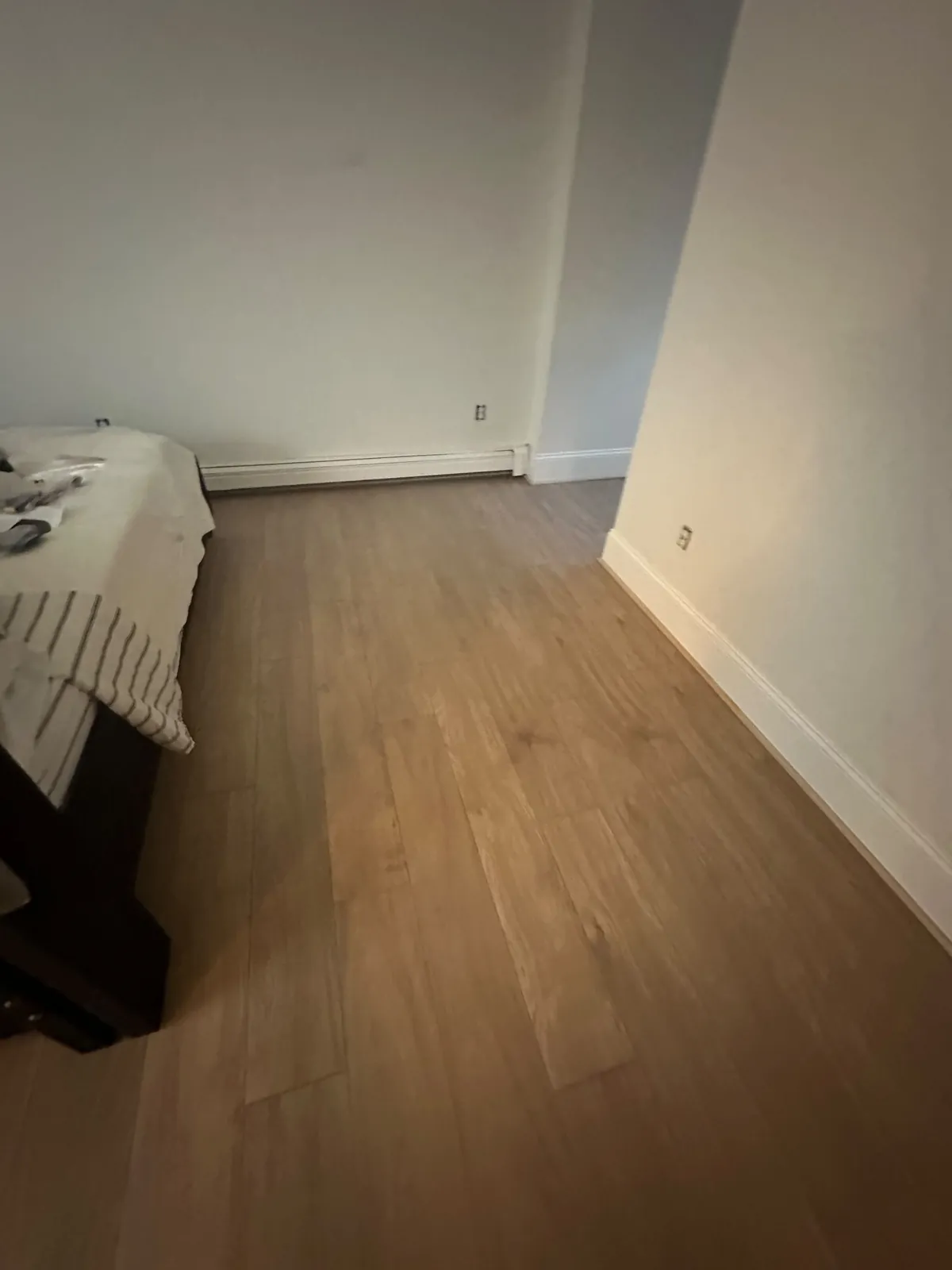
Ten years ago the flooring choice in most Massachusetts homes was simple: hardwood upstairs and on the main floor, carpet or tile in the basement. Today luxury vinyl plank (LVP) has changed that conversation. It looks like wood, it is waterproof, and it goes down in places where hardwood never belonged.
That does not mean LVP is always the better choice. Hardwood still has real advantages, especially in older Colonials and Capes where it is part of the character of the house. This guide compares the two the way we would explain it during a walkthrough, room by room.
What LVP and hardwood actually are
Solid hardwood is a single piece of wood, usually three quarters of an inch thick, nailed to a wood subfloor. Engineered hardwood has a real wood top layer bonded to a plywood or composite core, which makes it more stable when humidity changes. Both are real wood on the surface you walk on.
LVP is a layered synthetic product: a rigid core (often stone-plastic composite or wood-plastic composite), a printed image layer that looks like wood, and a clear wear layer on top. Most LVP installs as a floating floor with click-lock joints, which means it is not nailed or glued to the subfloor.
Basements: LVP wins almost every time
Basements in New England deal with cool slabs, seasonal humidity and the occasional bit of water after a big storm or spring thaw. Solid hardwood on a concrete slab is risky because it can cup and swell when moisture comes up from below.
LVP handles that environment far better. It is waterproof, it does not mind the temperature of the slab, and if a section ever gets damaged, planks can often be replaced. That is why LVP is the floor we install most often in finished basements, along with porcelain tile in basement bathrooms and laundry rooms.
Kitchens and bathrooms
Kitchens get spills, dropped pots and dishwasher leaks. Hardwood can work in a kitchen and many homeowners love the look, but standing water at the sink or a slow leak under the dishwasher can stain and cup boards. Sealed finishes help, but they do not make wood waterproof.
LVP is a practical choice in kitchens and is waterproof on the surface, though water that gets under any floating floor still needs to dry out. In full bathrooms, porcelain tile is usually the best option, with LVP as a reasonable choice for a powder room or half bath.
Pets, kids and daily wear
Dog nails scratch hardwood, especially softer species and glossy finishes. The scratches can be sanded out during a refinish, but in a busy household they will come back. Matte finishes and harder species like white oak or hickory hide wear better.
Good LVP with a thick wear layer resists scratches and accidents well, which is why many families with pets choose it. Look at the wear layer thickness rather than the total plank thickness: a thicker wear layer usually means a longer life in high-traffic areas.
Refinishing and long-term value
Solid hardwood can be sanded and refinished several times over its life, which means a worn floor can look new again for the cost of a refinish instead of a full replacement. Many older homes around Walpole and Norwood have original oak floors hiding under carpet that refinish beautifully.
LVP cannot be refinished. When it wears out, it is replaced. On the other hand, it often lasts many years before that happens. In terms of resale, buyers in Massachusetts still respond well to hardwood in the main living areas, while LVP is widely accepted in basements, kitchens and rental units.
Subfloor prep makes or breaks either floor
Whatever you choose, the floor is only as good as what is under it. LVP is especially sensitive to unevenness: high and low spots can make planks flex and the click joints separate. That often means grinding high spots, leveling low spots and checking flatness with a long straightedge before installing.
Hardwood needs a solid wood subfloor, secure fastening and acclimation in the house before installation, so the boards adjust to indoor humidity. In older homes we often find squeaky or loose subfloor sections that should be screwed down before any new floor goes in. Skipping prep is the most common reason a new floor fails early.
Cost and comfort compared
In Massachusetts, installed LVP often falls somewhere around $5 to $10 per square foot, depending on the product and the prep needed. Installed hardwood typically runs higher, often around $10 to $18 per square foot or more for solid oak, with exotic species and wide planks costing more. These ranges vary widely, so a measured estimate is the only reliable number.
Hardwood feels warmer and more solid underfoot and has a natural sound. LVP can feel a little hollow without a good underlayment, but it is comfortable to stand on and quiet with the right pad. Both work with radiant heat if the product is rated for it.
How to choose for your home
A simple rule of thumb: LVP for basements and high-moisture or high-abuse areas, hardwood where you want long-term character and the option to refinish. Many homes in Sharon and Foxborough end up with both, hardwood on the main living areas and LVP downstairs.
Before you decide, bring home samples of both and look at them in your own light, next to your cabinets and trim. Walk on them in socks if you can, and think about who uses each room: a mudroom off the driveway in February sees salt, sand and wet boots, while a guest bedroom barely gets touched.
If you are not sure which fits your space, we can check your subfloor, look at moisture and traffic, and give you a free estimate for either option so you can compare them side by side.
Frequently asked questions
- Is LVP flooring better than hardwood?
- It depends on the room. LVP is better in basements, kitchens and homes with pets because it is waterproof and scratch resistant. Hardwood is better where you want natural wood that can be refinished many times.
- Can LVP go directly over concrete in a basement?
- Yes, LVP is commonly installed over concrete slabs, usually with a moisture check and an underlayment or vapor barrier as the manufacturer recommends. The slab also needs to be flat.
- How long does LVP last?
- Quality LVP with a thick wear layer can last many years in a typical home. Lifespan depends on the product, the traffic and how well the subfloor was prepared.
- Can hardwood be installed in a kitchen?
- Yes, many kitchens have hardwood. It needs a good finish and quick cleanup of spills, and leaks under sinks or dishwashers should be fixed right away to avoid damage.
- Does LVP increase home value?
- LVP is widely accepted by buyers, especially in basements and kitchens. Hardwood in the main living areas still tends to be what many Massachusetts buyers look for.
Related services
Ready for an exact price?
Get a free, no-pressure in-home estimate. Real numbers for your home, not a phone guess.