
How to Hire a General Contractor in Massachusetts: A Homeowner Checklist
· By Ismar A. Da Silva
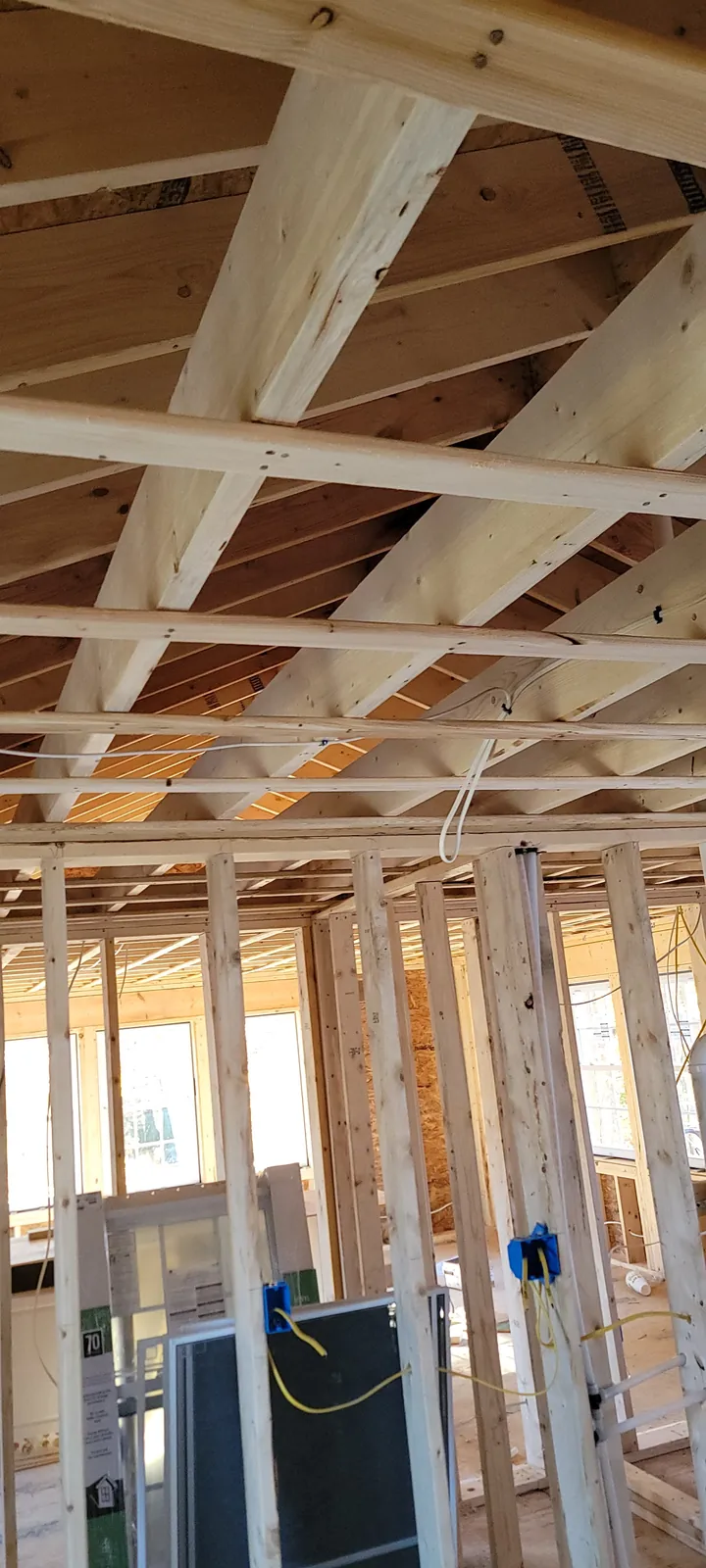
A remodel is one of the bigger checks most families write, and the contractor you choose has more to do with how it goes than almost any other decision. The good news is that Massachusetts gives homeowners some useful tools to check a contractor before signing anything, and a few simple habits protect you during the job.
We have spent 15 years working in homes across Massachusetts, from kitchens and bathrooms to basements and additions. This checklist is what we would tell a friend in Walpole or Norwood who is about to hire someone: what to verify, what belongs in the contract, how permits and deposits work, and the questions that separate a careful contractor from a risky one.
Step 1: Check the HIC registration on mass.gov
In Massachusetts, contractors who do residential home improvement work on existing one to four family owner-occupied homes are generally required to be registered as Home Improvement Contractors (HIC). The state runs a public lookup on mass.gov where you can search a contractor by name or registration number and see whether the registration is active.
Ask every contractor for their HIC number and look it up yourself. As an example, our registration is MA HIC #213306, and it should appear the same way on our estimates and contracts. Working with a registered contractor matters for another reason: Massachusetts offers certain consumer protection programs to homeowners who hire registered contractors, which you may not get with an unregistered one. Read the state's own pages for the current details.
Step 2: Understand HIC vs a construction supervisor license
The HIC registration and the Construction Supervisor License (CSL) are two different things. The HIC is about consumer protection for home improvement work. The CSL is a license tied to structural work and building permits, and many towns require a licensed construction supervisor to be listed on permits for structural projects.
You do not need to memorize the rules. Just ask who will be pulling the permit and whose license will be on it. A contractor who hesitates or asks you to pull the permit yourself as the homeowner is a red flag, because that can shift responsibility for the work onto you.
Step 3: Get a written contract with the details
For home improvement work in Massachusetts, a written contract is expected, and it protects both sides. A good contract spells out the scope of work in plain language, the materials or allowances, the start date and a reasonable completion window, the total price and the payment schedule, and the contractor's name, address and HIC number.
Look for clarity on change orders, too. Almost every remodel has a moment where you decide to add a niche, move an outlet or upgrade the tile. A written change order with the added cost, signed before the work is done, keeps the budget honest and avoids arguments at the end.
Step 4: Know the rules on deposits
Massachusetts places limits on how much a home improvement contractor can collect up front. In general, the deposit is capped at a portion of the total contract price, with an exception for special-order materials that have to be bought ahead of time. Check the state's current consumer guidance so you know the rule before you sign.
A fair payment schedule ties payments to progress you can see: demolition done, rough framing and inspections passed, cabinets installed, final walkthrough. Be cautious with anyone who asks for most of the money before work starts, wants cash only, or pressures you to pay to lock in a price today.
Step 5: Permits and inspections
Most structural, electrical, plumbing and many remodeling projects require permits through your town's building department. Kitchens that move plumbing, bathrooms, basement finishing, decks, window changes that alter openings and all additions are common examples. Electrical and plumbing permits are pulled by licensed electricians and plumbers.
Permits are not just paperwork. Inspections at the right stages (footings, framing, rough electrical and plumbing, insulation, final) give you an independent set of eyes on the work. When you sell the house, open permits or unpermitted work can also come up during the buyer's inspection, so it pays to do it right from the start.
Questions worth asking before you hire
How long have you been doing this kind of work, and can I see photos of similar projects? Who will be on site day to day, and who do I call with a question? Which trades do you handle with your own crew and which do you subcontract? How do you protect the rest of the house from dust? What happens if you open a wall and find rot or old wiring?
Also ask for a certificate of insurance, and how the schedule looks with permits and material lead times. A contractor who answers clearly, puts it in writing and does not rush you is usually the one who runs a calm job. Get more than one estimate, but compare scope line by line rather than only the bottom number.
Warning signs to watch for
Be careful with door-to-door offers after a storm, prices that are far below every other estimate, contracts with vague scope like "remodel bathroom" and no details, and contractors who cannot give you an HIC number. Another warning sign is a contractor who tells you a permit is not needed for work that clearly changes plumbing, wiring or structure.
If you are planning a kitchen, bathroom, basement or any general construction work in the Sharon, Canton, Walpole or Norwood area, we are glad to come out, look at the space and give you a free written estimate you can compare side by side with others.
Frequently asked questions
- How do I check if a contractor is registered in Massachusetts?
- Use the Home Improvement Contractor lookup on mass.gov. Search by the contractor's name or HIC registration number and confirm the registration is active and matches the business name on your contract.
- Is a written contract required for home improvement work in MA?
- For most home improvement jobs over a modest amount, Massachusetts expects a written contract with specific information, including the scope, price, payment schedule, dates and the contractor's HIC number. Even on small jobs, getting it in writing is a smart habit.
- How much deposit can a contractor ask for in Massachusetts?
- State rules limit the up-front deposit to a portion of the contract price, with an exception for special-order materials. Check the current consumer guidance on mass.gov before you sign.
- Who pulls the building permit, me or the contractor?
- In most cases the contractor should pull the permit for the work they are doing, with licensed electricians and plumbers pulling their own trade permits. Pulling a permit as the homeowner for a contractor's work can shift responsibility onto you.
- How many estimates should I get?
- Two or three is common. Compare the scope, materials, schedule and payment terms line by line, not just the total price.
Related services
Serving
Ready for an exact price?
Get a free, no-pressure in-home estimate. Real numbers for your home, not a phone guess.