
How Much Does House Painting Cost in Massachusetts? Interior and Exterior Guide
· By Ismar A. Da Silva
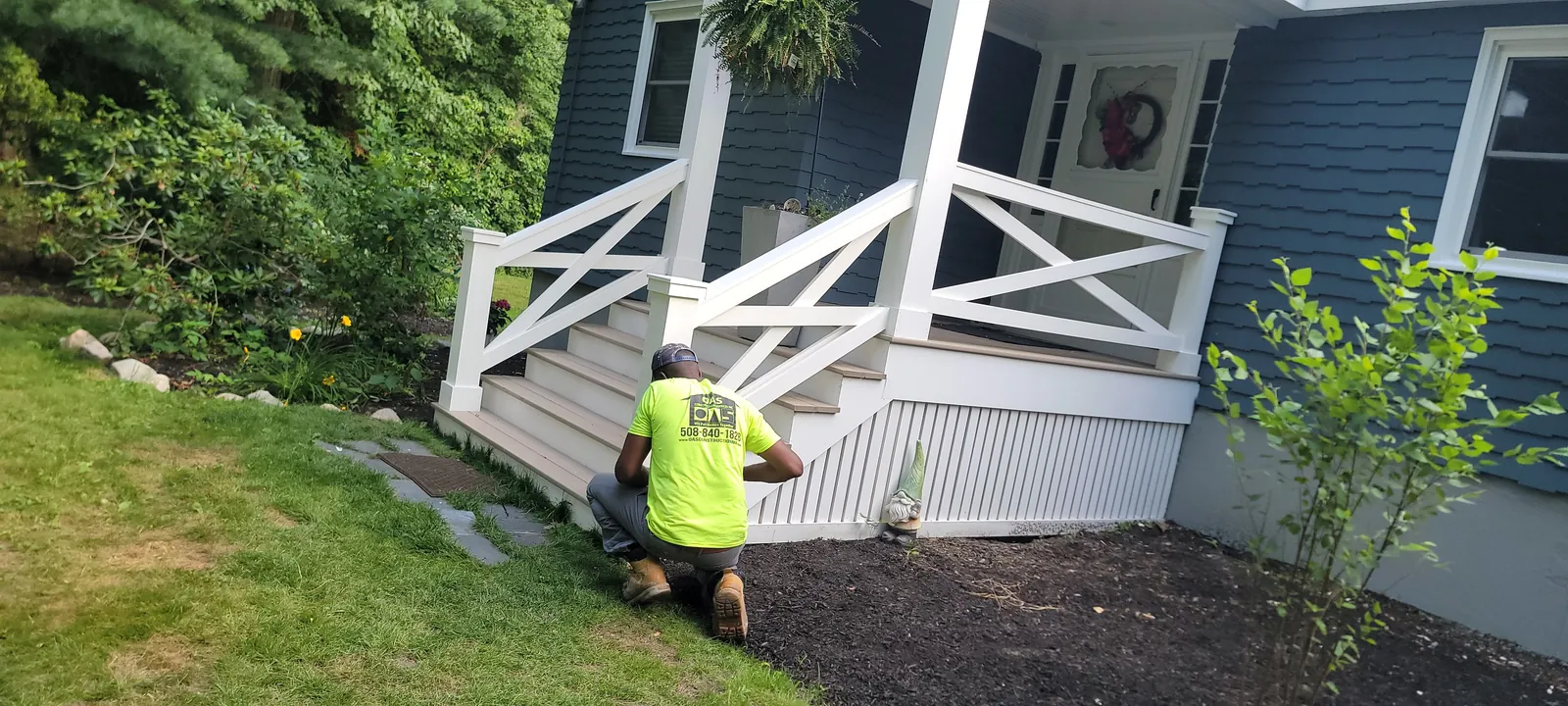
When people search for house painters near them, the first question is almost always the same: how much is this going to cost? The honest answer is that two houses of the same size can have very different painting prices, because the real work is in the prep, not just the paint going on the wall.
Painting is one of the services we do most, inside and out, in towns like Mansfield and Easton. This guide explains the typical cost ranges you will see in Massachusetts, what affects the number, what good prep looks like, when exterior painting makes sense in our climate and what to know about lead paint in older homes.
Typical interior painting costs
Interior painting is usually priced by the room or by the square foot of wall area. As a broad market picture in Massachusetts, a single average bedroom with walls only often falls in the range of a few hundred dollars to around a thousand, and the number climbs when you add ceilings, trim, doors and closets. A whole-house interior can vary widely, often several thousand dollars and up depending on size.
Things that push the price up include high ceilings and stairwells, dark colors that need extra coats, lots of trim and doors, wallpaper removal, and walls with cracks or old patches that need repair. A furnished house also takes more time to protect than an empty one. These are general ranges only, and an on-site estimate is the only way to get a number for your home.
Typical exterior painting costs
Exterior painting is a bigger job and usually a bigger number. For a typical Massachusetts home, exterior painting often lands in the several thousand to well over ten thousand dollar range, depending on size, number of stories, siding type and condition. Two-story Colonials with lots of trim, shutters and porches take longer than a single-story ranch.
The condition of the siding matters most. Clapboard that has been painted many times and is peeling in layers needs much more scraping and sanding. Rotted trim boards and sills should be replaced before painting, and that carpentry adds to the cost. Access also matters: steep yards, decks below the walls or tight lot lines can change the setup.
Why prep is most of the job
Paint sticks to whatever is under it, so if the surface is dirty, glossy, loose or wet, the new coat will fail early. Good interior prep means moving and covering furniture, protecting floors, filling nail holes and cracks, sanding patches smooth, caulking trim gaps, and priming stains or repaired areas. Then come two finish coats with clean lines at the ceiling and trim.
Outside, prep includes washing the siding, scraping loose paint, sanding edges so they do not show through, replacing or repairing rotted wood, priming bare wood, and caulking joints around trim and windows. It is not glamorous work, but it is the difference between a paint job that looks good for one season and one that holds up for years.
The right season for exterior painting in Massachusetts
Weather sets the schedule for outside work here. Most exterior paints need air and surface temperatures above a minimum (often around 50 degrees, though some products are rated lower) and need time to dry before dew or rain. That usually means late spring through early fall is the main exterior painting season in Massachusetts.
Within that window, painters watch the forecast closely. Very humid days, cold nights that bring heavy morning dew, and direct midday sun on a dark wall can all affect how the paint cures. Booking early in the year helps, because good painters fill up their summer schedules. Interior painting, on the other hand, can be done year-round and is a smart winter project.
Lead paint in pre-1978 homes
Many older homes in our area, including plenty of Colonials and Capes, were painted with lead-based paint before it was banned for residential use in 1978. It is often still there under newer coats, especially on windows, doors, trim, porches and exterior siding.
Sanding and scraping painted surfaces in a pre-1978 home can create lead dust, so the work is subject to lead-safe work practice rules. That usually means containment, plastic sheeting, careful cleanup and specific methods for removing paint. Ask any painting contractor how they handle lead-safe practices before work begins, especially if you have young children at home.
Choosing paint and finishes
Paint quality matters. Better paints typically cover more evenly, resist fading and clean up more easily, so they often need fewer coats and last longer. Flat or matte finishes hide wall imperfections on ceilings and in living areas, eggshell and satin are popular for walls that get touched, and semi-gloss works well on trim and doors.
In kitchens and bathrooms, a finish designed for moisture helps. In basements, painting over bare concrete or masonry calls for products made for that surface. A good painter will help you choose sheens for each room and test a color sample on the wall, because colors look different under Massachusetts winter light than they do on a paint chip.
Comparing painting estimates
When you get more than one estimate, compare what each includes: which surfaces (walls, ceilings, trim, doors, closets), how many coats, what prep and repairs, what paint line, and how furniture and floors are protected. A low number that skips priming or repairs is not really cheaper if the paint starts peeling in two years.
Also confirm the painter is a registered home improvement contractor in Massachusetts, carries insurance and puts the scope in writing. If you are planning an interior refresh or an exterior repaint, we can walk the house with you and give you a free estimate with the prep spelled out clearly.
Frequently asked questions
- How much does it cost to paint a room in Massachusetts?
- As a rough market range, painting the walls of an average bedroom often falls between a few hundred dollars and around a thousand. Ceilings, trim, doors, repairs and dark colors increase the cost. An on-site estimate gives you a real number.
- What is the best time of year to paint a house exterior in Massachusetts?
- Late spring through early fall is the main season, when temperatures stay above the paint's minimum and there is enough drying time before evening dew. Interior painting can be done any time of year.
- How long does exterior paint last in New England?
- It depends on the prep, the paint, the siding and sun exposure. A well-prepped exterior with quality paint often lasts many years, while poorly prepped jobs can start peeling within a couple of seasons.
- Does my older home have lead paint?
- Homes built before 1978 may contain lead-based paint, often under newer coats on trim, windows and siding. Work that disturbs those surfaces should follow lead-safe practices.
- Should I paint the interior myself to save money?
- Many homeowners paint a room or two themselves. Larger jobs, stairwells, high ceilings, lots of trim and any work in pre-1978 homes are usually worth hiring out for the prep, clean lines and safety.
Related services
Serving
Ready for an exact price?
Get a free, no-pressure in-home estimate. Real numbers for your home, not a phone guess.